Aethon TUGvsFANUC M-2000iA
Aethon TUG leads on 5 of 7 dimensions — strongest on deployment readiness.
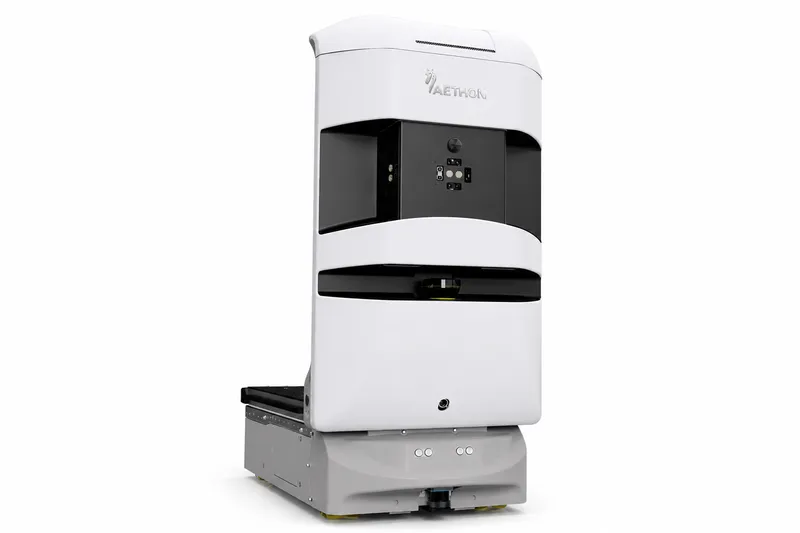
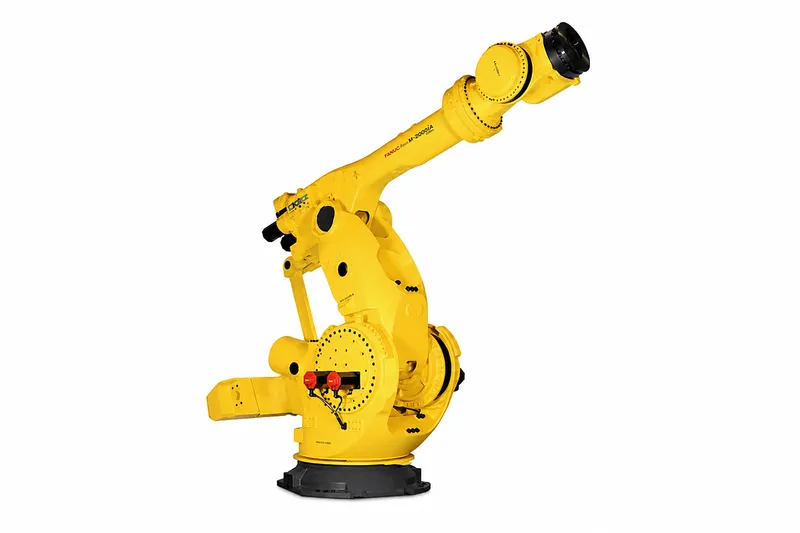
TUG
3 wins
M-2000iA
1 wins
Category breakdown
Deploy & operate
Readiness, uptime, navigation & connectivity
- 95Deployment readiness90
- 60Maintenance confidence60
- Vision-led navigation (estimated)NavigationVision-led navigation (estimated)
- Wi-Fi / cloud fleet management (estimated)ConnectivityWi-Fi / cloud fleet management (estimated)
Cost & ROI
Price accessibility and ROI clarity
- 34Price accessibility10
- 90ROI clarity85
Capability
Payload, speed, runtime & labor replacement
- 85Labor replacement85
- 453.6 kg (1,000 lbs for TUG T3)Payload900–2300 kg (variant-dependent; M-2000iA/900L, /1200, /1700L, /2300)
- 1 m/s (3.6 km/h)Speed60–130° per second (max axis speed, variant-dependent)
- 24 hours intermittent chargingBatteryNot applicable (mains-powered, industrial AC supply)
Fit & future
Environment fit, footprint & long-term upside
- 90Environment fit75
- 75Future potential65
- 1,160 × 570 × 1,220 mm (length × width × height)FootprintM-2000iA/2300 base footprint 1540 × 1480 mm; full arm reach 3734–4683 mm horizontal, 6200 mm vertical
TUG · Best for
Large teaching hospitals (200+ beds) routing medications, linens, and lab specimens 24/7 to reduce manual delivery workload
M-2000iA · Best for
Automotive and metal industry heavy parts handling and car body transfer
Final judgment
If immediate deployment is the priority, choose TUG. If the goal is to be ready when M-2000iA's capabilities mature, track it.