Booster Robotics K1vsKepler Robotics Mechanical Qilin
Booster Robotics K1 leads on 5 of 7 dimensions — strongest on deployment readiness.
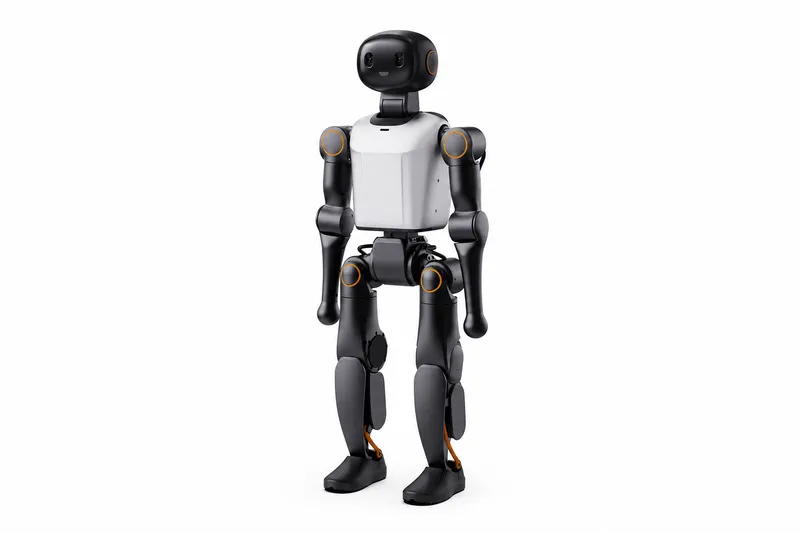

K1
3 wins
Mechanical Qilin
0 wins
Category breakdown
Deploy & operate
Readiness, uptime, navigation & connectivity
- 72Deployment readiness35
- 60Maintenance confidence60
- Vision-led navigation (estimated)NavigationVision-led navigation (estimated)
- Wi-Fi / cloud fleet management (estimated)ConnectivityWi-Fi / cloud fleet management (estimated)
Cost & ROI
Price accessibility and ROI clarity
- 89Price accessibility30
- 58ROI clarity25
Capability
Payload, speed, runtime & labor replacement
- 15Labor replacement60
- No integrated gripper or manipulation capabilityPayloadapproximately 1 ton
- UnknownSpeed—
- ~40 minutes active mode (base); 80 minutes (EDU Edition)Battery8-hour shift on one charge
Fit & future
Environment fit, footprint & long-term upside
- 85Environment fit70
- 88Future potential75
- 95 cm height; full footprint not specifiedFootprint2175 × 800 × 1630 mm (W × D × H)
K1 · Best for
University robotics research labs deploying embodied AI algorithms
Mechanical Qilin · Best for
Mountain rescue resupply: transport food, medical kits, equipment on steep slopes where vehicles cannot reach
Final judgment
If immediate deployment is the priority, choose K1. If the goal is to be ready when Mechanical Qilin's capabilities mature, track it.