Dobot HexplorervsKinova Gen3
Kinova Gen3 leads on 3 of 7 dimensions — strongest on deployment readiness.
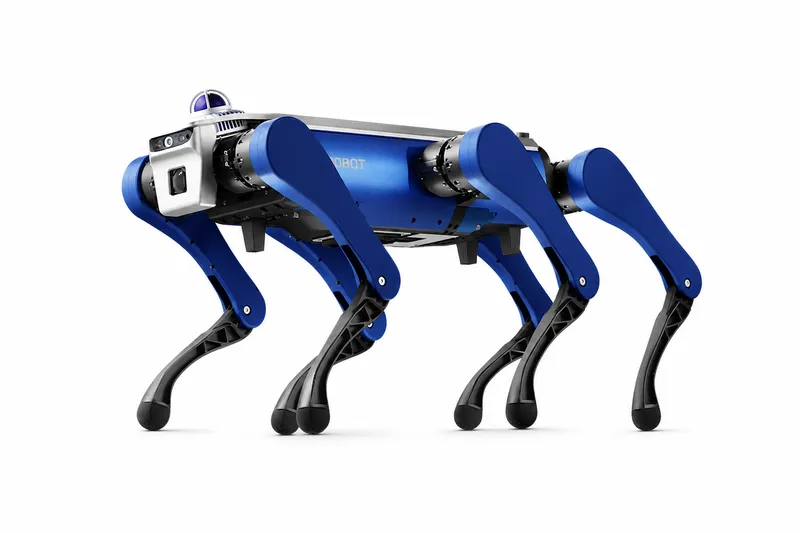
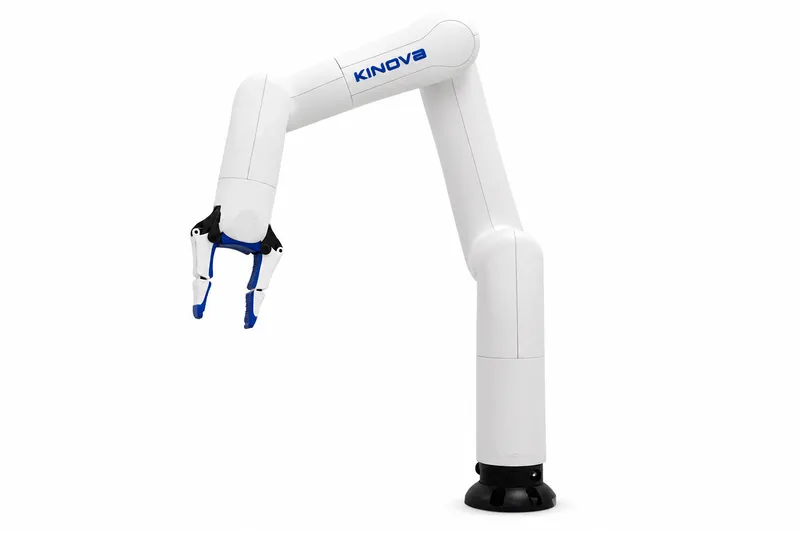
Hexplorer
0 wins
Gen3
1 wins
Category breakdown
Deploy & operate
Readiness, uptime, navigation & connectivity
- 62Deployment readiness85
- 60Maintenance confidence60
- Vision-led navigation (estimated)NavigationVision-led navigation (estimated)
- Wi-Fi / cloud fleet management (estimated)ConnectivityWi-Fi / cloud fleet management (estimated)
Cost & ROI
Price accessibility and ROI clarity
- 81Price accessibility73
- 45ROI clarity65
Capability
Payload, speed, runtime & labor replacement
- 35Labor replacement40
- 10 kg (rated), 15 kg (max)Payload4 kg (mid-range continuous); 2 kg (full-range continuous)
- 1.8 m/s max walking speedSpeed50 cm/s maximum Cartesian translation speed
- 504 Wh battery; 2.5 h runtimeBatteryPowered via 18-30 VDC external supply, 24 VDC nominal (36 W average power)
Fit & future
Environment fit, footprint & long-term upside
- 72Environment fit75
- 78Future potential80
- Standing: 86.3 × 47 × 48 cm; Folded: 73.4 × 47 × 24.6 cmFootprintTotal weight: 7.2 kg (6 DoF) / 8.2 kg (7 DoF); Maximum reach: 891 mm (6 DoF) / 902 mm (7 DoF)
Hexplorer · Best for
Utility tunnel and underground infrastructure inspection with 10 kg sensor payload
Gen3 · Best for
Research labs and university robotics programs developing control algorithms or human-robot collaboration workflows.
Final judgment
If immediate deployment is the priority, choose Gen3. If the goal is to be ready when Hexplorer's capabilities mature, track it.