Kinova Gen3vsProspera Robotics T4H
Close call. Gen3 and T4H trade wins across the matrix.
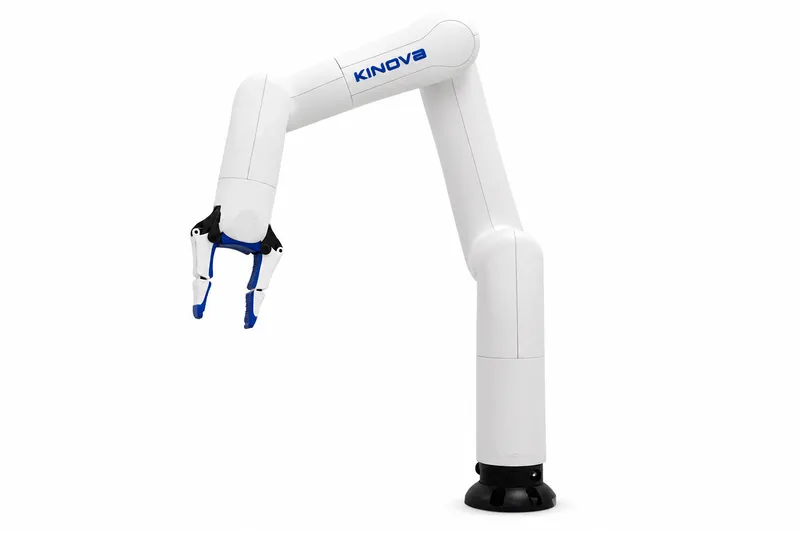
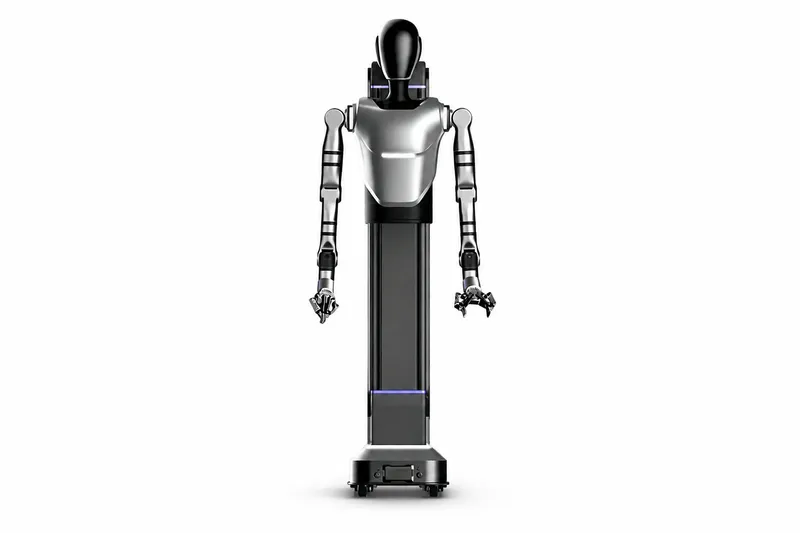
Gen3
1 wins
T4H
1 wins
Category breakdown
Deploy & operate
Readiness, uptime, navigation & connectivity
- 85Deployment readiness78
- 60Maintenance confidence60
- Vision-led navigation (estimated)NavigationVision-led navigation (estimated)
- Wi-Fi / cloud fleet management (estimated)ConnectivityWi-Fi / cloud fleet management (estimated)
Cost & ROI
Price accessibility and ROI clarity
- 73Price accessibility63
- 65ROI clarity72
Capability
Payload, speed, runtime & labor replacement
- 40Labor replacement75
- 4 kg (mid-range continuous); 2 kg (full-range continuous)Payloadup to 150 lbs; large compartment dimensions 29"W × 17"D × 13.5"H
- 50 cm/s maximum Cartesian translation speedSpeed—
- Powered via 18-30 VDC external supply, 24 VDC nominal (36 W average power)Battery—
Fit & future
Environment fit, footprint & long-term upside
- 75Environment fit85
- 80Future potential62
- Total weight: 7.2 kg (6 DoF) / 8.2 kg (7 DoF); Maximum reach: 891 mm (6 DoF) / 902 mm (7 DoF)Footprint—
Gen3 · Best for
Research labs and university robotics programs developing control algorithms or human-robot collaboration workflows.
T4H · Best for
200+ room mid-range hotel chains during peak dinner/lunch service hours, reducing manual delivery wait times
Final judgment
If immediate deployment is the priority, choose Gen3. If the goal is to be ready when T4H's capabilities mature, track it.