Direct Drive Tech TITAvsUnitree Aliengo
Close call. TITA and Aliengo trade wins across the matrix.
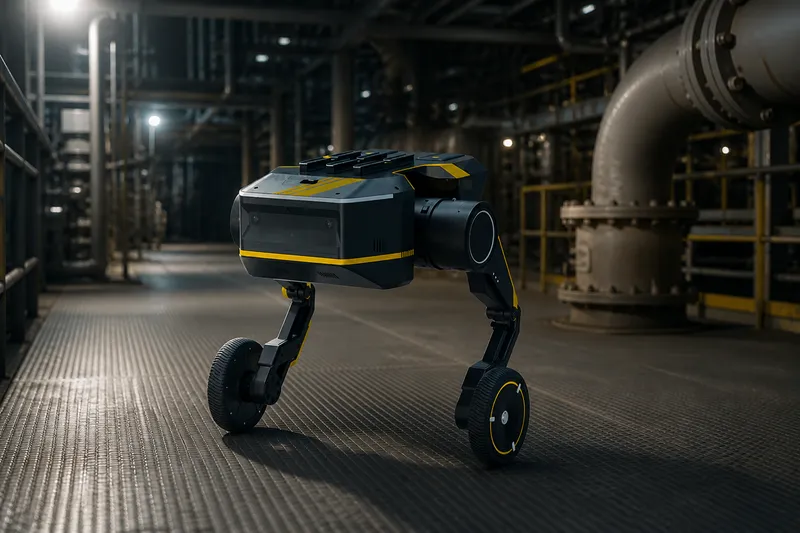
TITA
2 wins
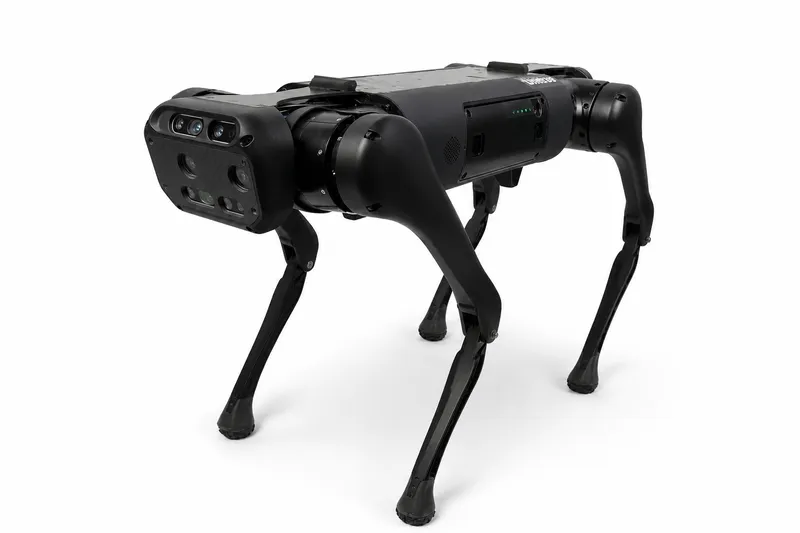
Aliengo
1 wins
Category breakdown
Deploy & operate
Readiness, uptime, navigation & connectivity
- 72Deployment readiness72
- 60Maintenance confidence60
- Vision-led navigation (estimated)NavigationVision-led navigation (estimated)
- Wi-Fi / cloud fleet management (estimated)ConnectivityWi-Fi / cloud fleet management (estimated)
Cost & ROI
Price accessibility and ROI clarity
- 87Price accessibility59
- 58ROI clarity62
Capability
Payload, speed, runtime & labor replacement
- 42Labor replacement55
- 10 kgPayloadup to 13 kg
- 3 m/s standard; up to 5 m/s with API unlock under suitable conditionsSpeed>1.5 m/s max walking speed
- Approximately 1 hour per battery; 2-hour total runtime with battery setBattery2.5–4.6 h operating time
Fit & future
Environment fit, footprint & long-term upside
- 78Environment fit78
- 82Future potential75
- 510 × 590 × 490 mm (standing); 300 mm height in creeping modeFootprint650 × 310 × 600 mm (stand); 600 × 310 × 150 mm (fold)
TITA · Best for
Campus package delivery across curved pathways and building entrances
Aliengo · Best for
University SLAM and robotics coursework: 4.6 h endurance, developer-friendly I/O (GbE, USB 3.0), and ROS support enable weeks of lab experiments and student projects without infrastructure lock-in.
Final judgment
Both are credible picks. Decide on cost and supplier proximity, not capability — the gap is small.