MiR MiR250vsOmron LD-60
MiR MiR250 leads on 4 of 7 dimensions — strongest on deployment readiness.
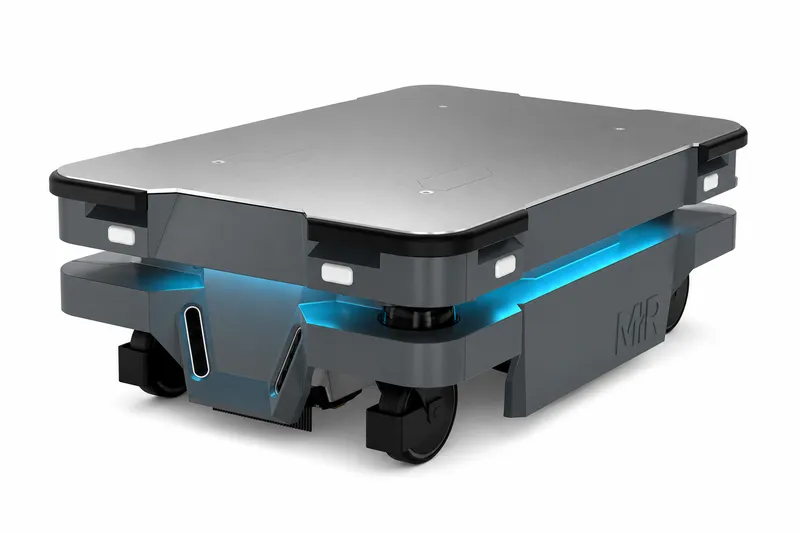
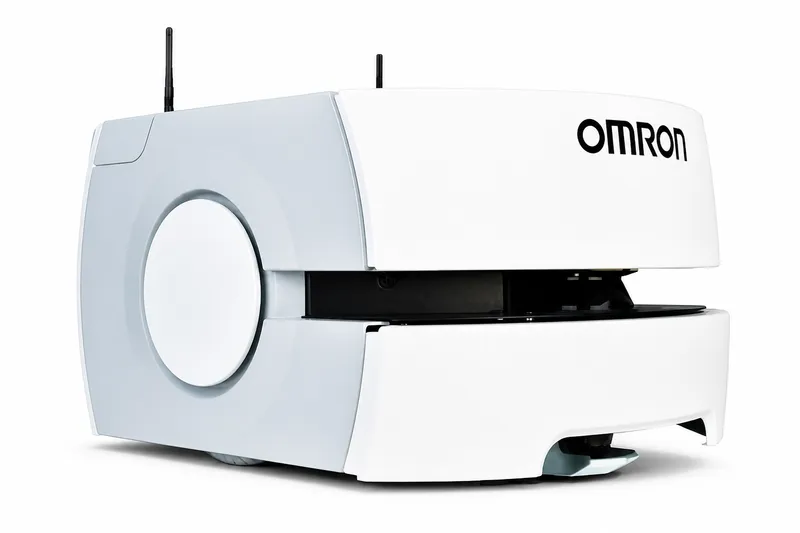
MiR250
3 wins
LD-60
0 wins
Category breakdown
Deploy & operate
Readiness, uptime, navigation & connectivity
- 95Deployment readiness85
- 60Maintenance confidence60
- Vision-led navigation (estimated)NavigationVision-led navigation (estimated)
- Wi-Fi / cloud fleet management (estimated)ConnectivityWi-Fi / cloud fleet management (estimated)
Cost & ROI
Price accessibility and ROI clarity
- 56Price accessibility63
- 80ROI clarity75
Capability
Payload, speed, runtime & labor replacement
- 75Labor replacement70
- 250 kgPayload60 kg
- 2 m/sec (7.2 km/hour)Speed1.8 m/s maximum
- 10 hoursBattery15 hours (no payload); 4 hours (100% duty cycle)
Fit & future
Environment fit, footprint & long-term upside
- 78Environment fit80
- 70Future potential60
- 800 × 580 × 300 mm (W × D × H)Footprint697 × 499 × 380 mm (W × D × H)
MiR250 · Best for
Order-picking cart transport in multi-level fulfillment centers (TTI case study: 5 units moving 250 kg shelves autonomously across distribution centers).
LD-60 · Best for
Parts and work-in-process transfer on automotive assembly lines (buffering between robotic arms and human stations)
Final judgment
If immediate deployment is the priority, choose MiR250. If the goal is to be ready when LD-60's capabilities mature, track it.