Poppy Project Poppy HumanoidvsTianGong Omni
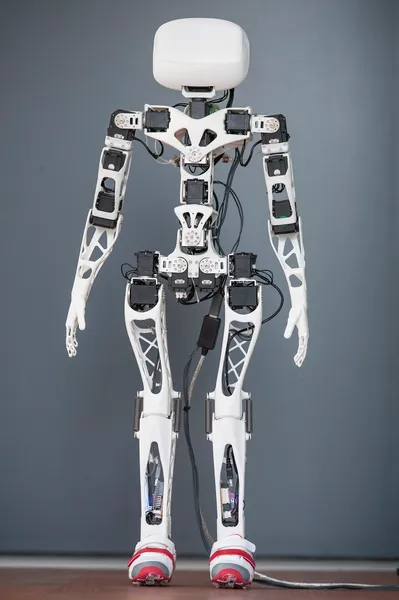
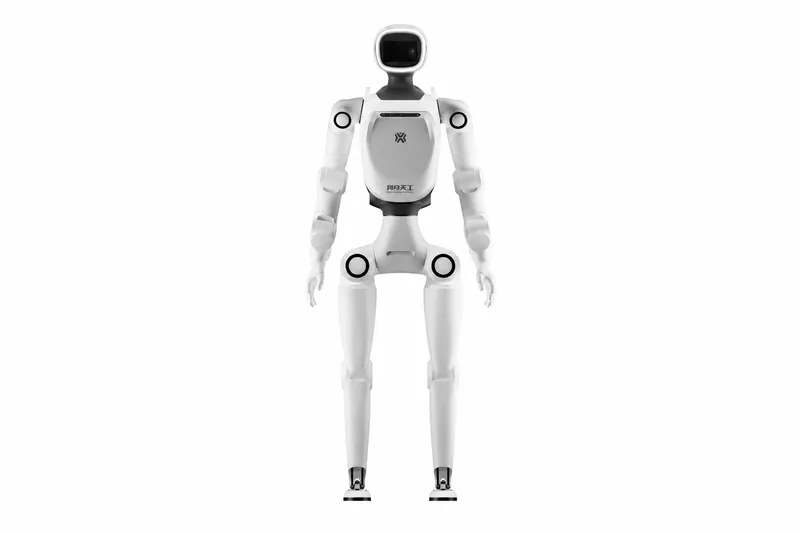
For university robotics labs studying bipedal walking, spring-based joint mechanics, and design variations through 3d-printed body swaps, Poppy Humanoid is easier to deploy today — Omni is the longer bet on capability.
Category breakdown
Deploy & operate
Readiness, uptime, navigation & connectivity
- 35Deployment readiness25
- 60Maintenance confidence60
- Vision-led navigation (estimated)NavigationVision-led navigation (estimated)
- Wi-Fi / cloud fleet management (estimated)ConnectivityWi-Fi / cloud fleet management (estimated)
Cost & ROI
Price accessibility and ROI clarity
- 92Price accessibility66
- 25ROI clarity15
Capability
Payload, speed, runtime & labor replacement
- 15Labor replacement35
- 25 degrees of freedom, multi-articulated trunk with 5 degrees of freedomPayload10–20 kg
- —Speed9.5 m/s peak sprint (45.66 seconds for 400 m dash)
- —Batteryunknown
Fit & future
Environment fit, footprint & long-term upside
- 45Environment fit55
- 70Future potential75
- 850 mm heightFootprint1.35 meters tall
University robotics labs studying bipedal walking, spring-based joint mechanics, and design variations through 3D-printed body swaps
University robotics labs: open-ecosystem platform for embodied AI research and reinforcement learning experiments (gait synthesis, terrain adaptation).
If immediate deployment is the priority, choose Poppy Humanoid. If the goal is to be ready when Omni's capabilities mature, track it.